

Photo by mstandret
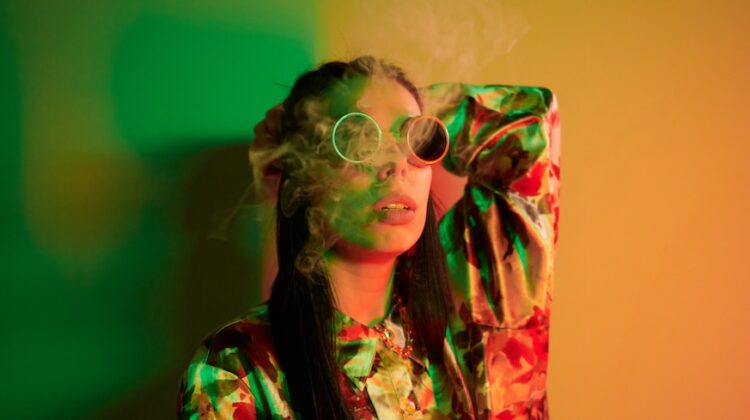
For decades, cannabis culture was visually loud. Tie-dye, pot leaves, lava lamps, shag rugs, neon colors, giggling mascots, ironic laziness, and an almost aggressive unseriousness defined what it meant to be “weed adjacent.” The stoner aesthetic was not just a look, it was a defensive posture: if cannabis was going to be marginalized, criminalized, and dismissed, then its culture would lean into absurdity and self parody.
Today, that aesthetic is quietly collapsing.
Not through backlash or moral panic, but through irrelevance. As cannabis integrates into legal markets, medical systems, corporate supply chains, and everyday adult life, the old visual language no longer fits the people actually using the product or the realities of the businesses selling it. The collapse is not dramatic. It is procedural, commercial, and cultural. And it is already well underway.
The Stoner Aesthetic was Born out of Exclusion
The classic stoner look made sense in its original context. For most of the 20th century, cannabis users were either criminalized, stigmatized, or treated as unserious. Mainstream advertising, design, and lifestyle branding were inaccessible. So cannabis culture developed its own internal codes.
Those codes emphasized humor, rebellion, and irony. Being visibly unserious was a form of protection. If society would not take cannabis seriously, then the culture would preemptively refuse seriousness. The pot leaf was exaggerated. The humor was juvenile. The message was clear: “We are outside your norms, and we do not care.”
This aesthetic also served as an in-group signal. You either “got it” or you didn’t. That mattered when discretion and community were survival tools.
Legalization Changed Who Cannabis is for
Legalization did not just expand access. It expanded demographics.
The fastest growing cannabis consumers over the last decade have not been stereotypical stoners, according to research in the JAMA Internal Medicine. They are older adults, professionals, parents, patients, athletes, creatives, and people managing stress, pain, sleep, or mental health. Many of them do not identify with counterculture. They are not interested in irony. They want clarity, trust, and competence.
For these consumers, the stoner aesthetic feels alienating rather than inviting. It signals immaturity. It raises questions about safety and seriousness. And it clashes with how they see themselves.
A parent buying a low-dose edible for sleep does not want to feel like they are walking into a head shop from 1998. A cancer patient does not want an unserious product. A professional does not want to hide their purchase behind juvenile branding.
As the user base changed, the visual language stopped working.
Cannabis Businesses Outgrew Parody Faster Than Culture Did
Modern cannabis businesses operate under extreme regulatory scrutiny. They deal with compliance, audits, testing, recalls, product liability, investor reporting, and increasingly thin margins. None of this pairs well with branding that suggests chaos, laziness, or unseriousness.
The old stoner aesthetic communicates the opposite of what regulators, partners, landlords, banks, and insurers want to see. It can undermine credibility in an industry that is constantly fighting to be treated as legitimate.
This creates a structural pressure toward restraint. Cleaner typography. Neutral palettes. Professional packaging. Clear labeling. Functional design. Even brands that retain personality tend to express it through tone rather than visual noise.
The shift is not about being “corporate.” It is about being legible to institutions that control survival.
The Aesthetic Aged Badly Because it Froze in Time
The stoner aesthetic did not evolve. It repeated itself.
Tie-dye, pot leaves, Rick-and-Morty-adjacent humor, ironic laziness, and faux-psychedelic visuals have been recycled for decades with minimal iteration. What once felt rebellious now feels derivative. Younger consumers did not grow up with prohibition-era scarcity. They grew up with brand literacy, internet culture, and visual sophistication.
To them, the old stoner look does not feel subversive. It feels outdated.
This matters because aesthetics are about signaling relevance. When a visual language stops evolving, it stops signaling anything useful.
Normalization Killed the Need for Exaggeration
When cannabis was illegal, exaggeration served a purpose. It made the culture visible and defiant. In a legal context, exaggeration reads as insecurity.
Normalization favors understatement. Just as alcohol branding ranges from playful to austere depending on audience and occasion, cannabis branding is diversifying into many visual dialects. Wellness. Luxury. Minimalism. Heritage. Craft. Medical. Social.
There is no single “weed look” anymore because cannabis is no longer a single identity.
The collapse of the stoner aesthetic is really the collapse of monoculture.
The Shift is Not Anti-Fun, it is Post-Gimmick
This change is often misread as sanitization or corporate capture. That critique misses the point. The decline of the stoner aesthetic is not about removing joy or personality. It is about removing gimmicks that no longer serve the user or the product.
Playfulness still exists. Humor still exists. But it is intentional rather than reflexive. Brands now choose when to be light, rather than defaulting to clownishness as a shield.
This mirrors what happened in other once-marginal industries. As written about in an opinion piece for the New York Times, craft beer can lean heavily on juvenile labels and shock humor. As the category matures, many brands should refine their visual language without losing identity. Cannabis is following the same arc, under far harsher constraints.
What Replaces the Stoner Aesthetic is Fragmentation, Not a New Uniform
There is no single replacement aesthetic. Instead, cannabis is splitting into multiple parallel visual cultures:
- Wellness-forward design emphasizes calm, neutrality, and trust.
- Luxury cannabis borrows from fragrance, fashion, and spirits.
- Craft and heritage brands lean into process, terroir, and material honesty.
- Medical cannabis prioritizes clarity, dosing transparency, and seriousness.
The old stoner aesthetic cannot compete in this environment because it tries to speak to everyone and ends up resonating with fewer and fewer people.
Retailers, faced with limited shelf space and intense competition, choose a diversity of brands that look credible, clear, and aligned with their customers. The stoner aesthetic loses that competition without ceremony.
What This Signals About Cannabis as a Category
The quiet collapse of the stoner aesthetic is a sign of maturation, not loss. It indicates that cannabis is no longer defined by opposition to mainstream culture. It is becoming part of it, while still supporting subcultures at the edges.
This is uncomfortable for some long-time consumers who associate the aesthetic with identity and resistance. But aesthetics are tools, not truths. They change when the environment changes.
Cannabis no longer needs to shout to be seen. It needs to communicate clearly, responsibly, and honestly to a diverse audience with real expectations.
The stoner aesthetic did its job. It created community under prohibition. It signaled belonging when nothing else could. But cultures are not museums. When the conditions that produced an aesthetic disappear, the aesthetic either evolves or collapses.
In cannabis, it is doing the latter quietly, one shelf, one package, one consumer choice at a time.
Leave a Reply